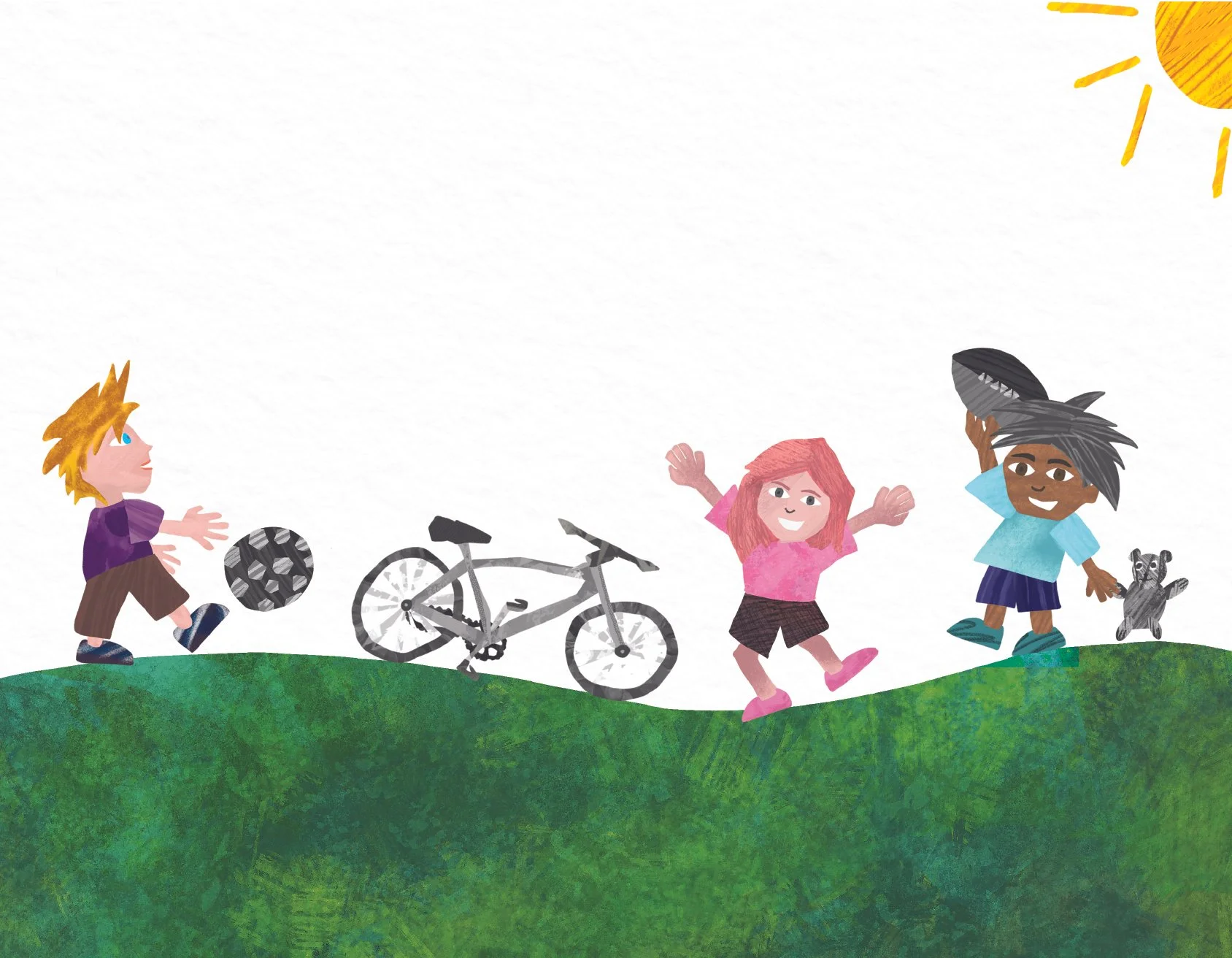
Designing Inclusion
Inclusive storytelling for early childhood
My thesis explores inclusive storytelling as a way for young children to engage with assistive devices in a playful, stigma-free context. This Kamishibai-inspired toolkit introduces story cards and classroom prompts in a way that sparks curiosity and open conversations, reframing assistive devices as symbols of individuality rather than limitation. The project blends illustration, sequential narrative, and educational design.
Project Contribution
01
Research framing and classroom collaboration
04
Physical toolkit prototyping and Usability testing
02
Narrative and illustrated story development
05
Classroom implementation, reflection, and iteration
03
Inclusive activity and prompt design
Assistive Devices
Before you think that this project is not about you, pause.
Ask yourself, what are assistive devices?
If you are unsure, watch this video to reflect how my work might be for you as well.
Context & Research Focus
The project is developed in collaboration with early childhood educators and informed by classroom observations, interviews, and existing research on inclusion and representation. A key challenge emerged around how assistive devices are often introduced to children as functional or medical objects, without room for imagination or personal interpretation.
Designing Inclusion responds to this gap by reframing assistive tools as part of a shared story world, encouraging children to think about difference through creativity rather than correction.
Storytelling as Design Method
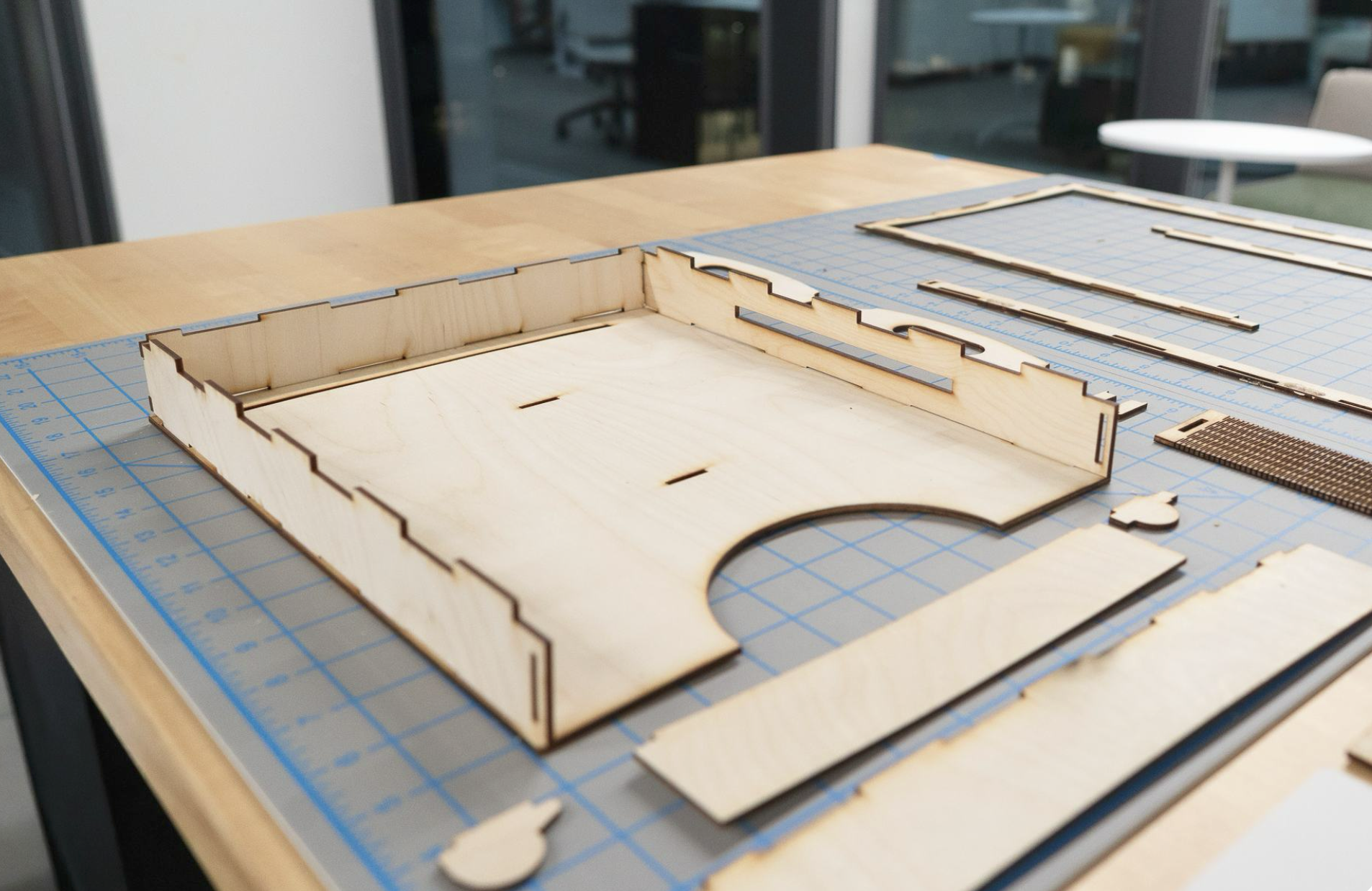
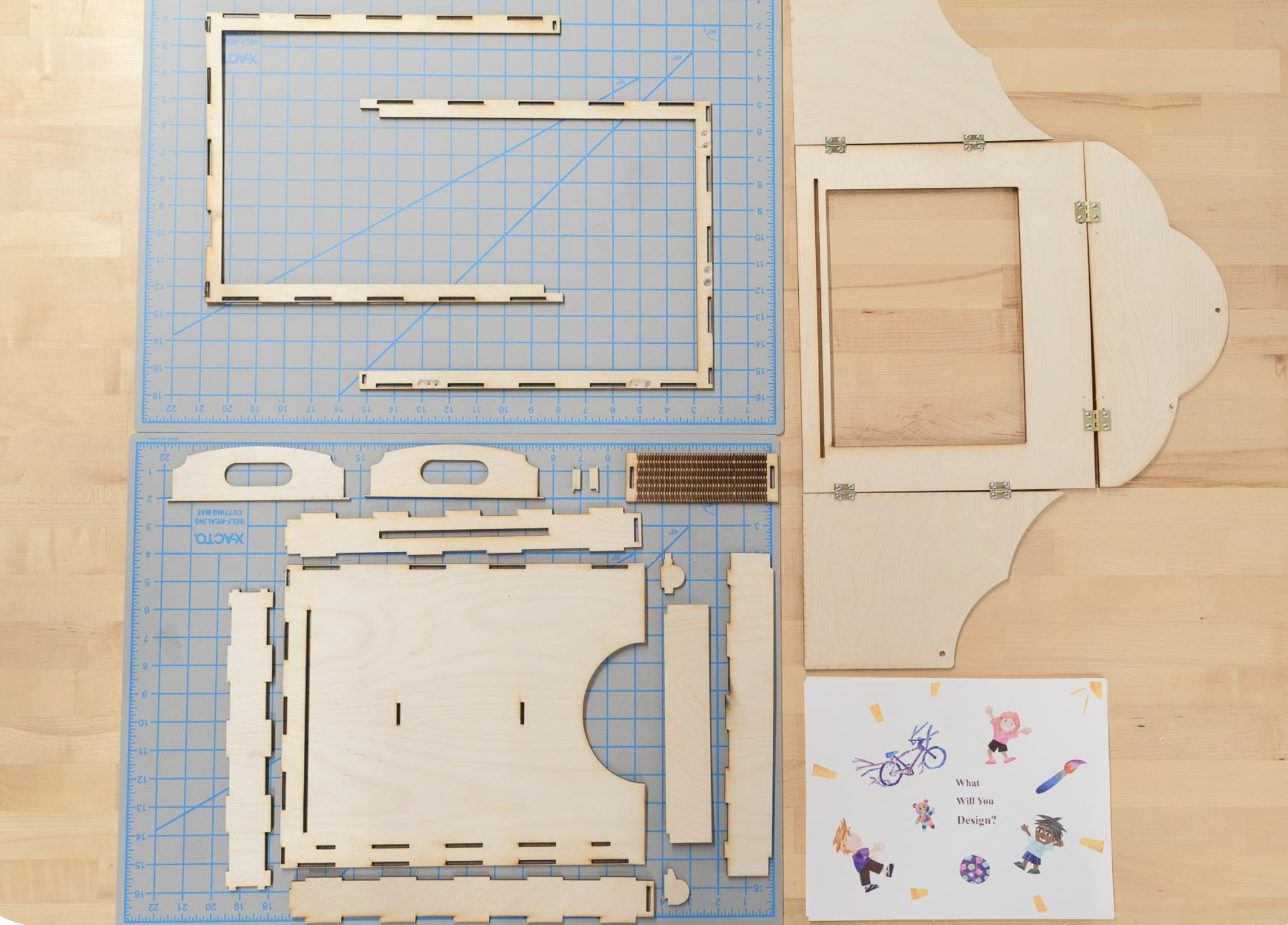
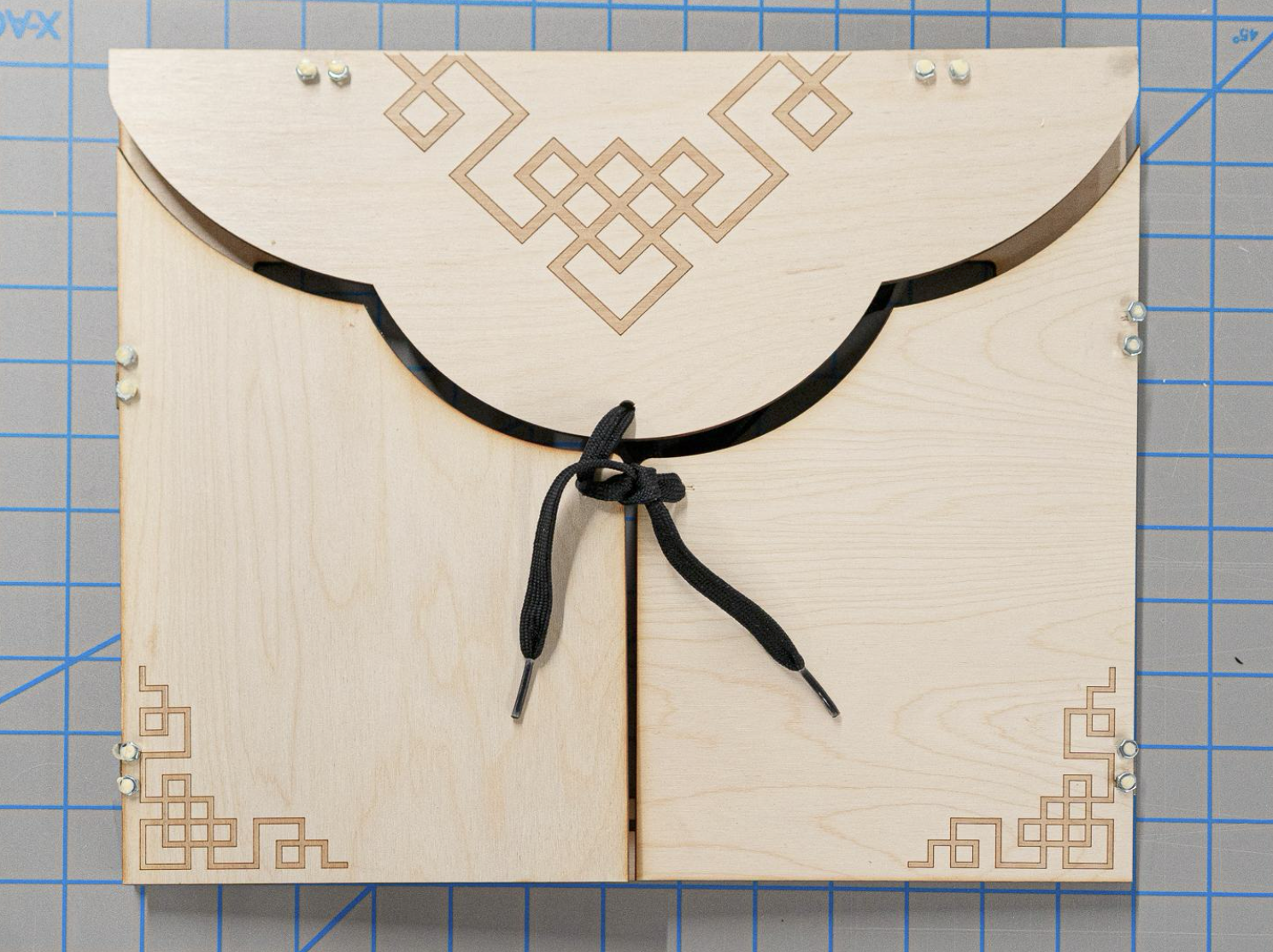
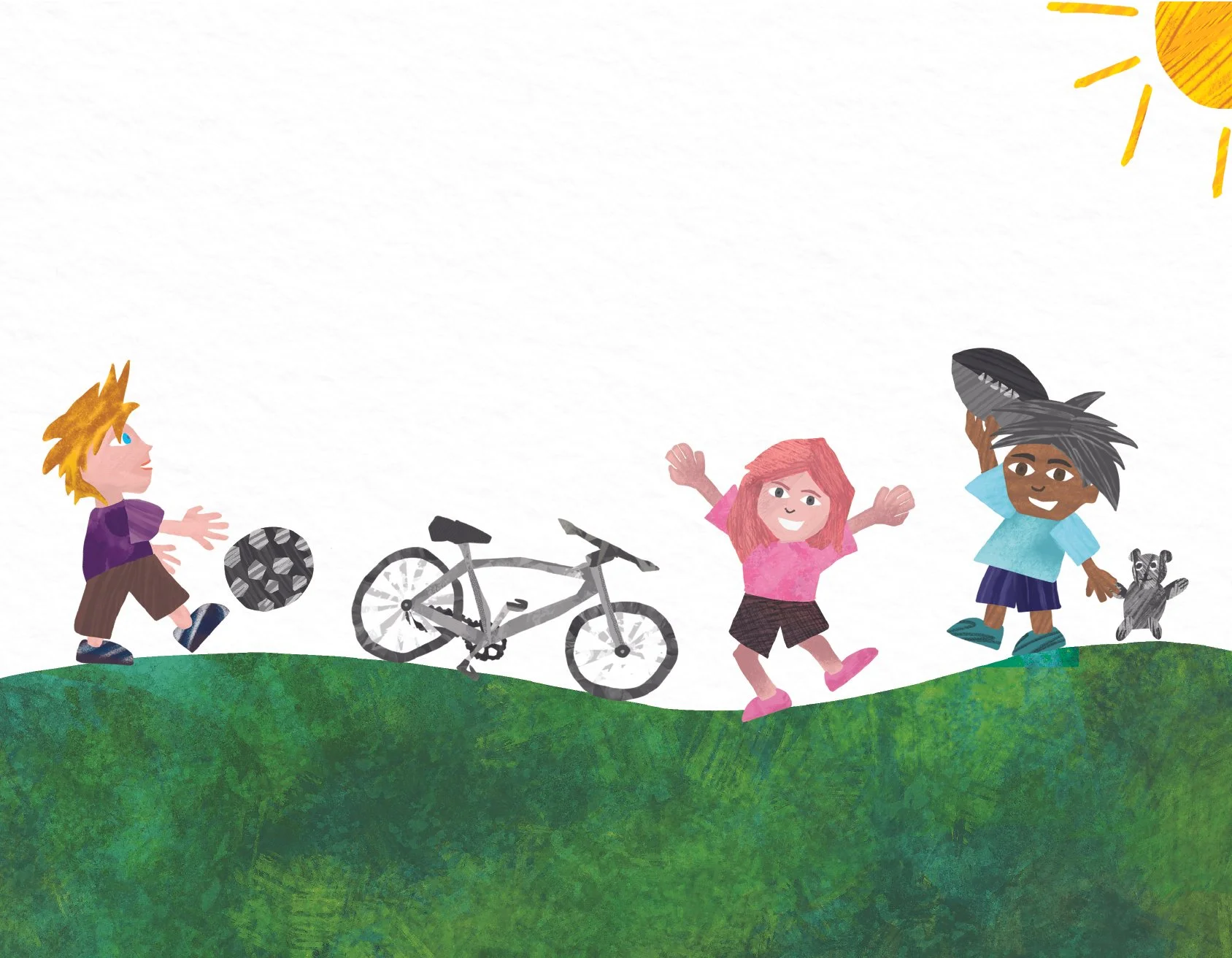
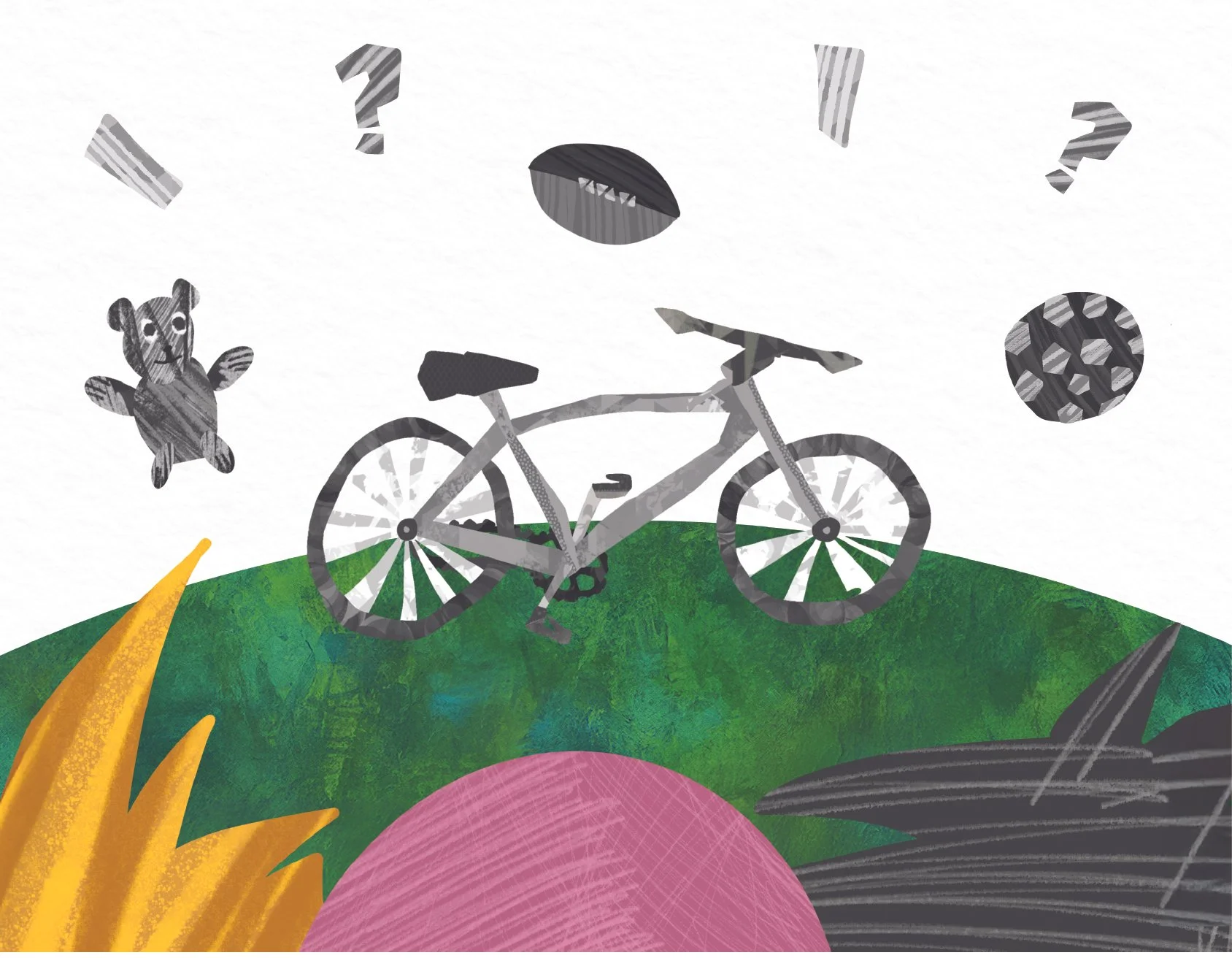
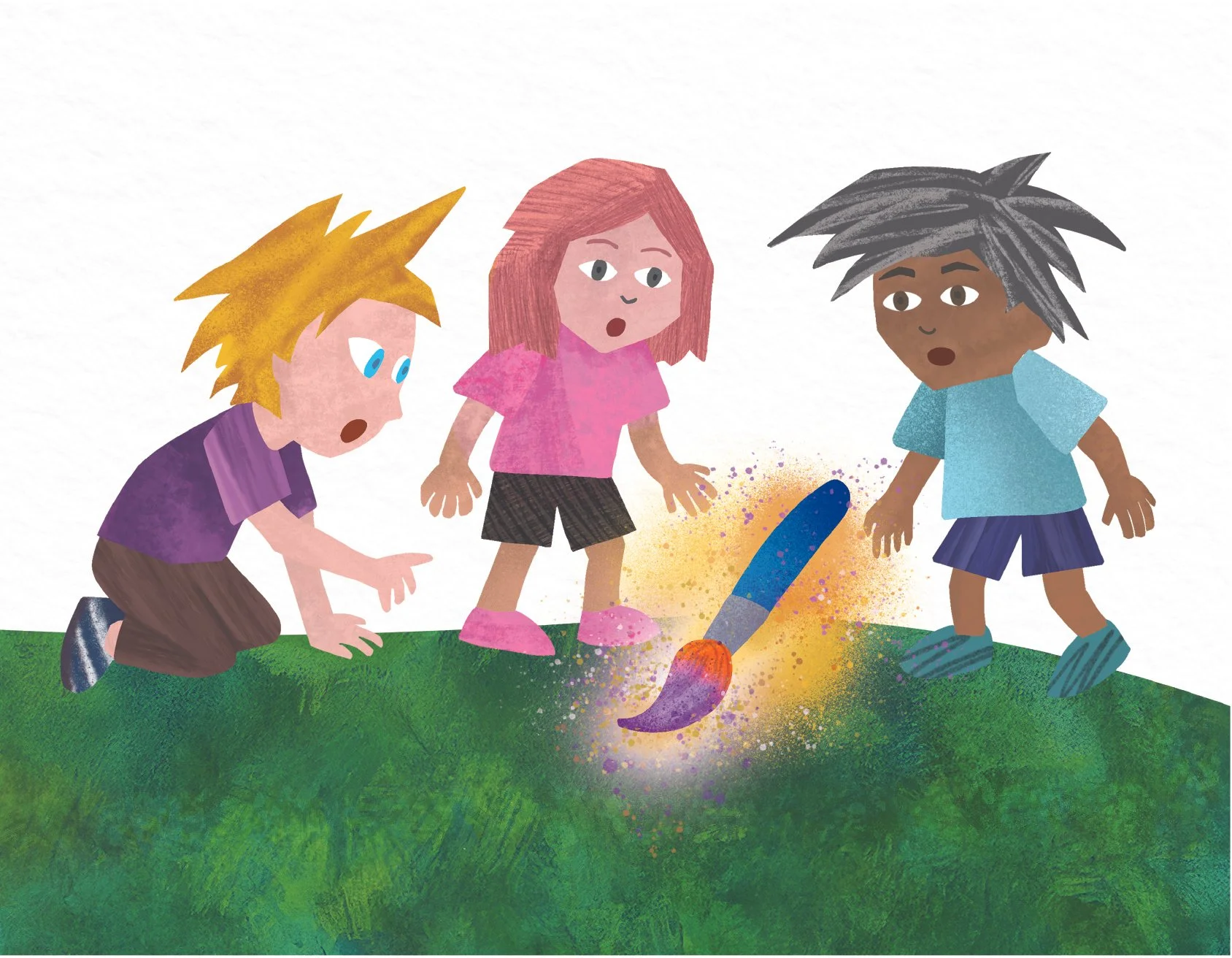
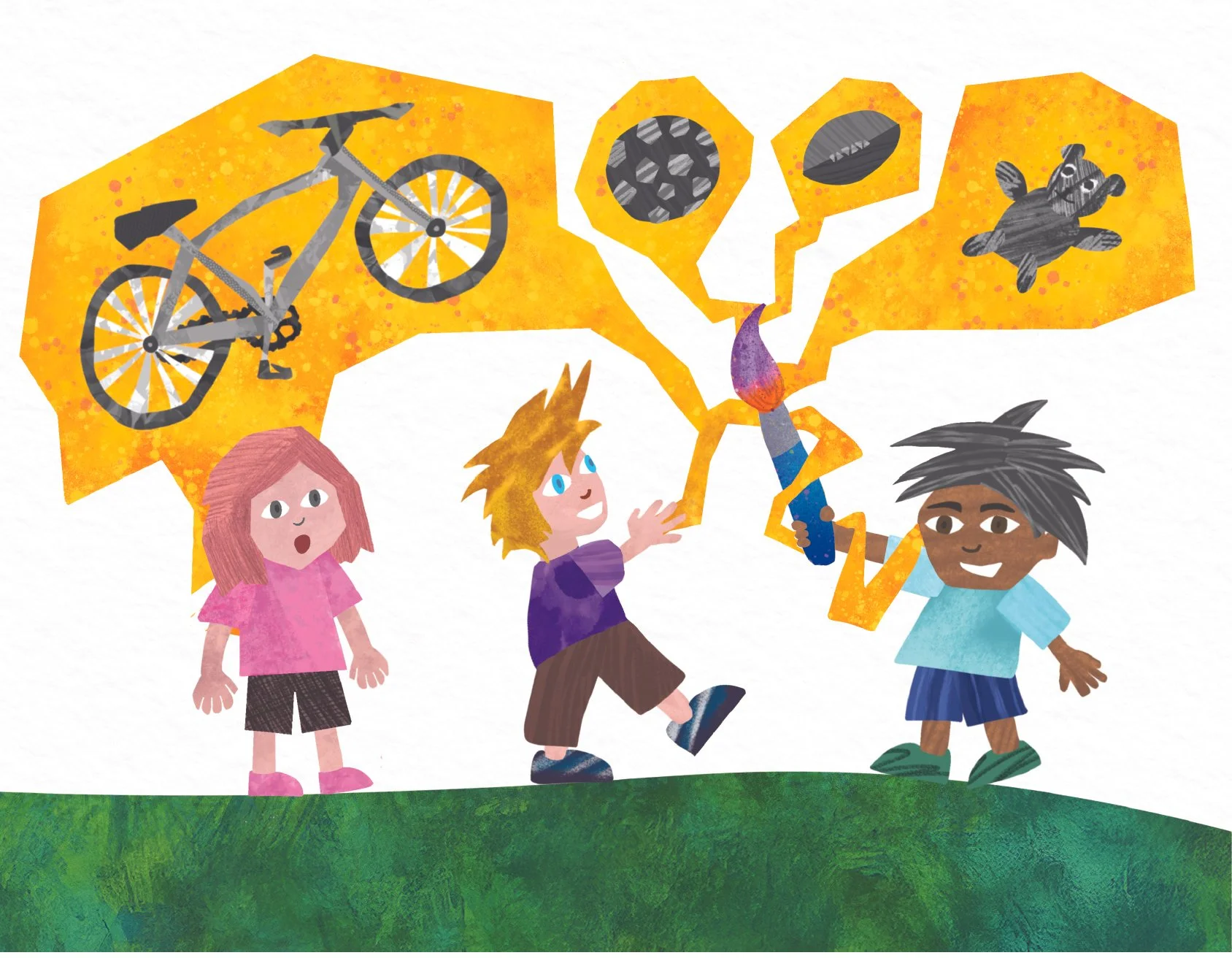
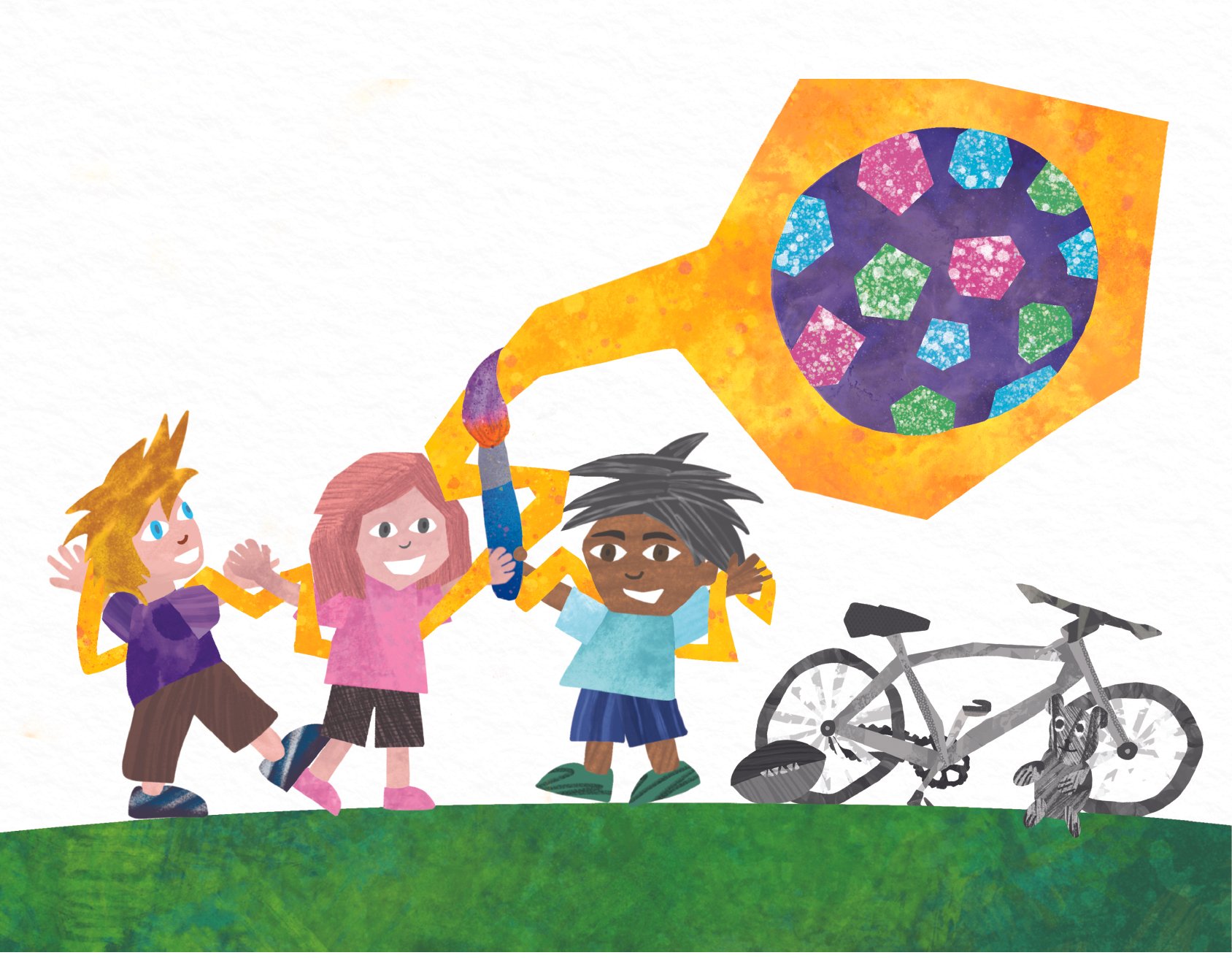
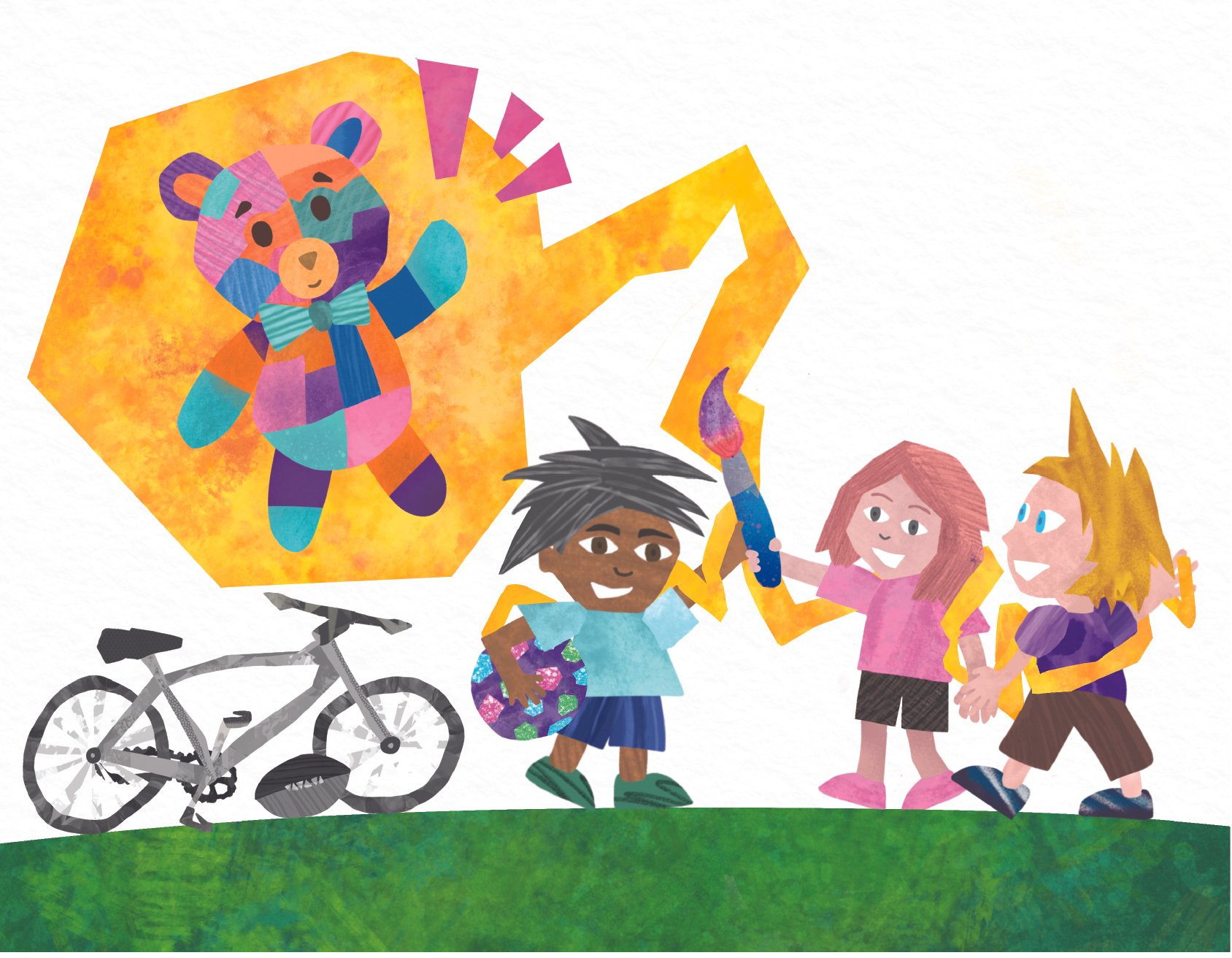
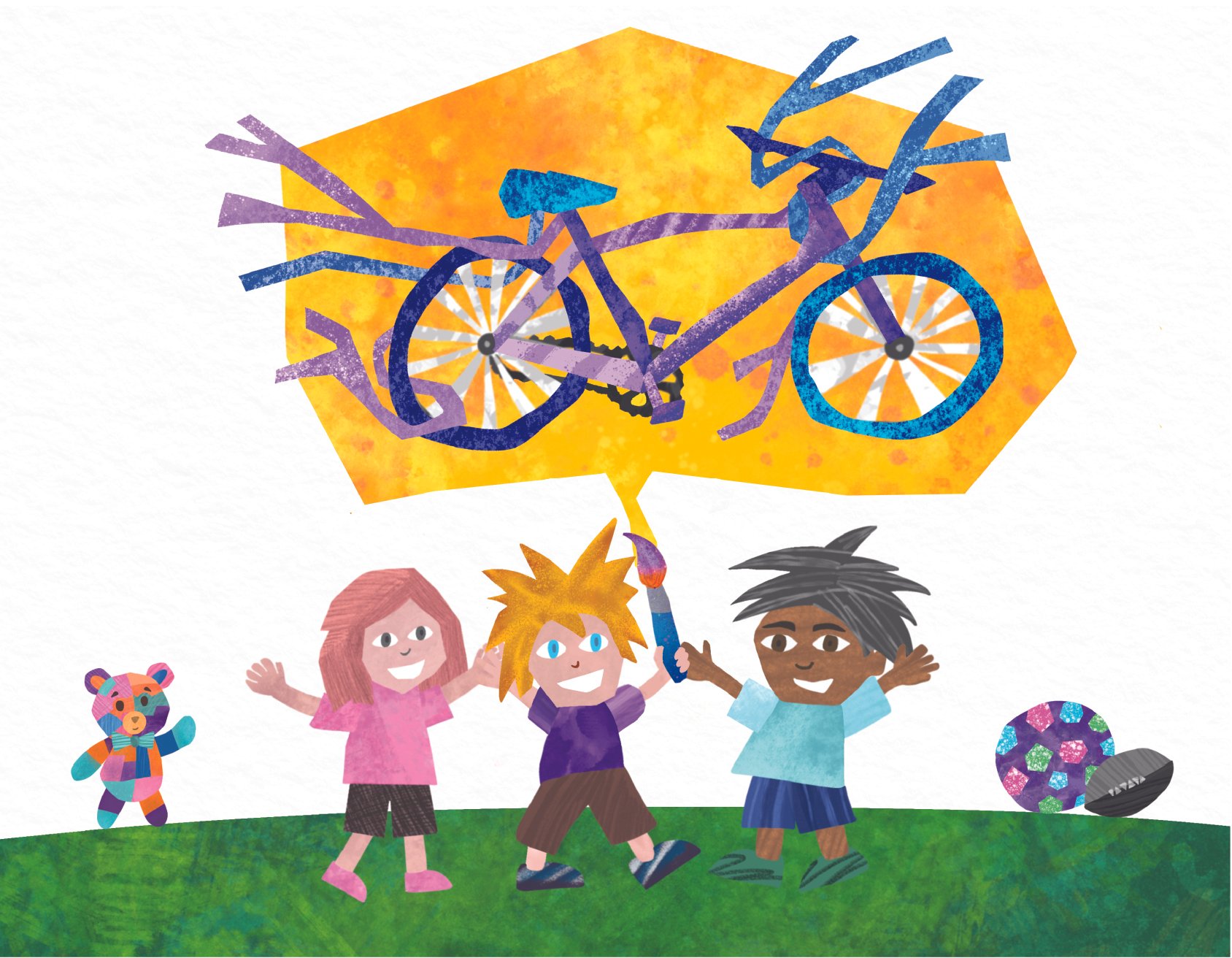
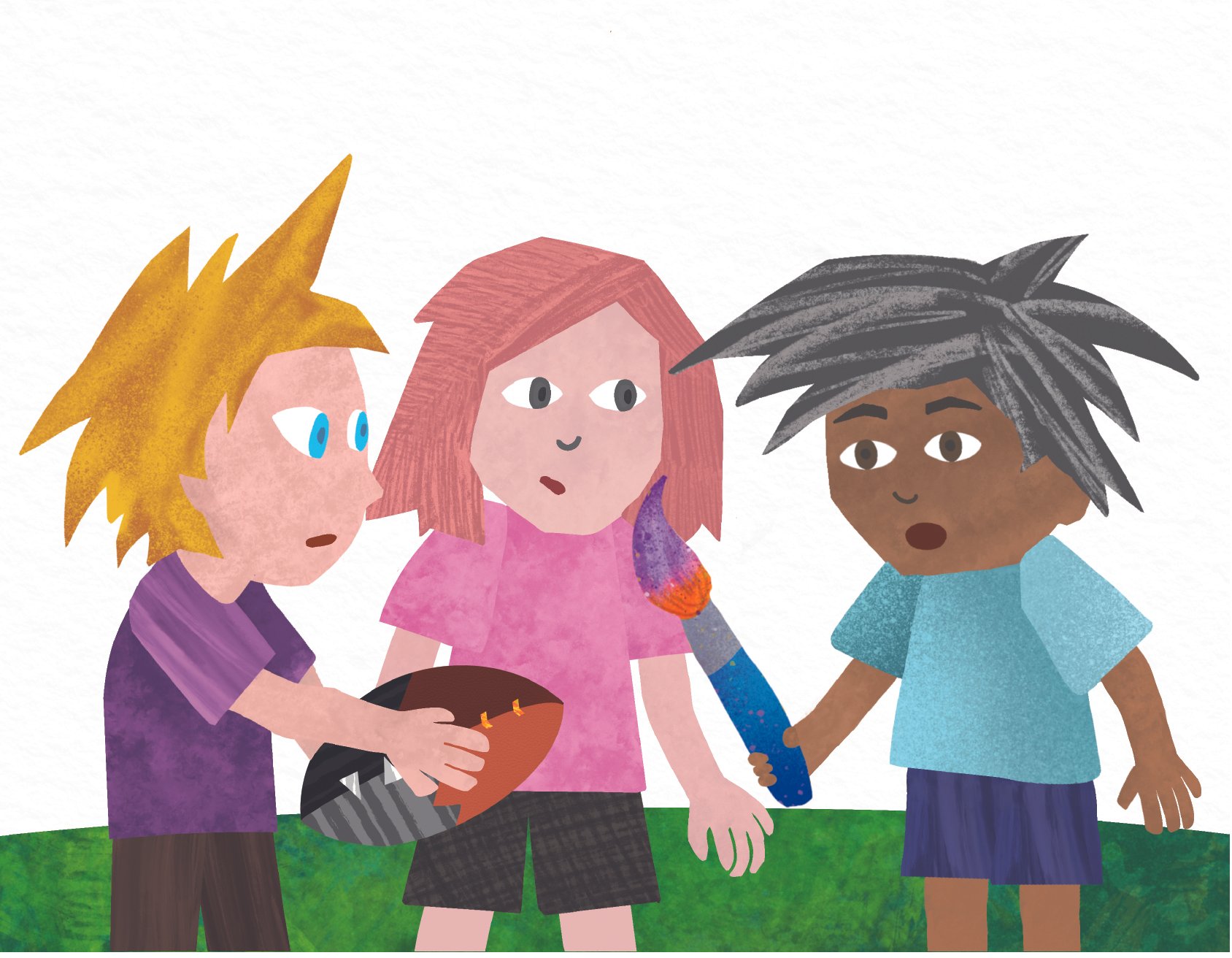
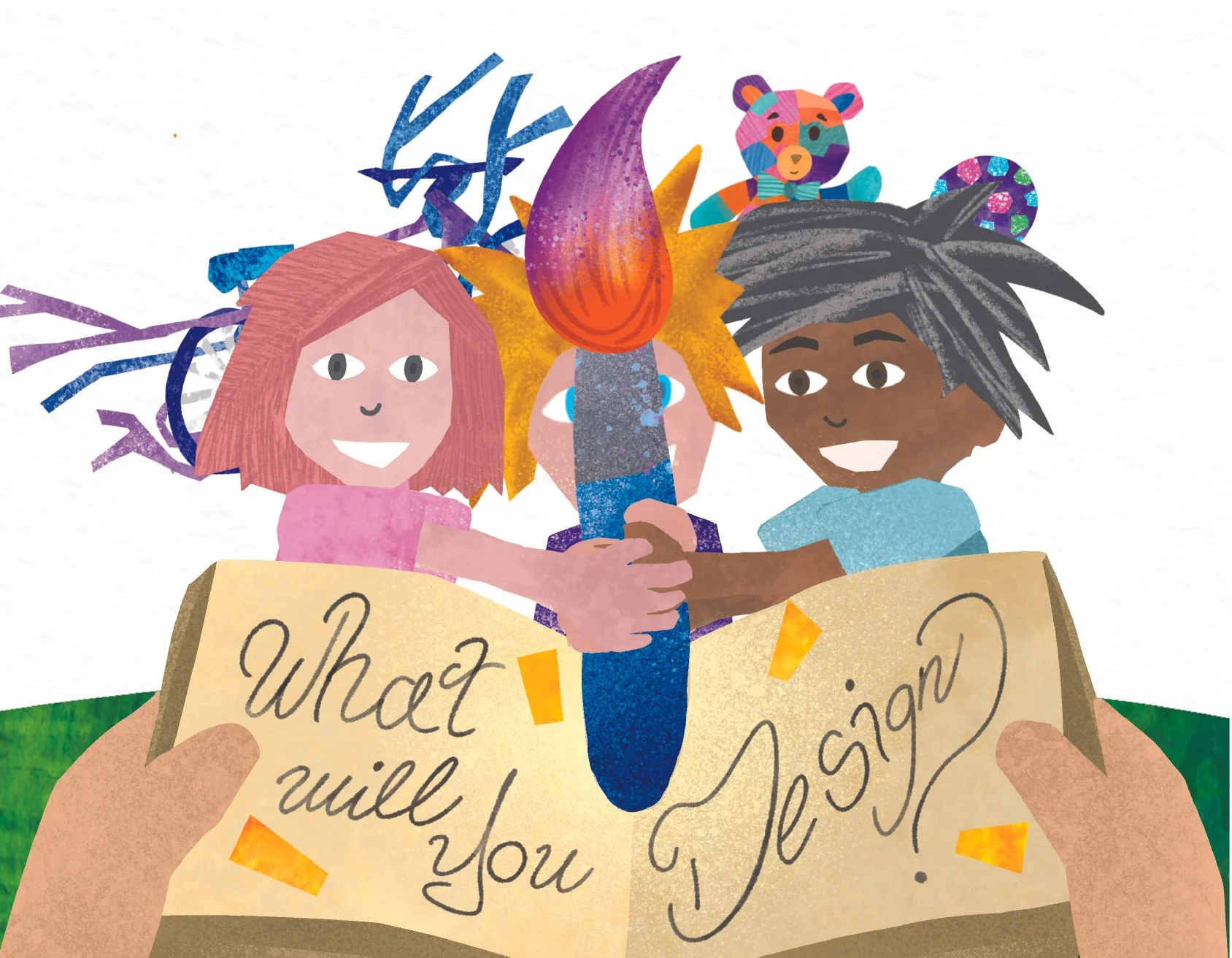
At the center of the project is a Kamishibai-inspired storytelling activity, combining illustrated story cards, flashcards, and a physical paper theater. The narrative introduces a character who uses creativity to redesign assistive devices, inviting children to imagine how design can change how objects feel, look, and are understood.
The activity is intentionally low-tech and adaptable, allowing teachers to integrate it into existing classroom routines without disruption.

Designing for Empathy and Dialogue
The project prioritizes open-ended interaction over predefined outcomes. Flashcards and prompts are designed to spark conversation rather than assess understanding, supporting multiple interpretations and responses from children.
By pairing storytelling with visual design, the activity creates a shared language through which children can explore inclusion as something lived and relational, not abstract.
Reflection & Ongoing Work
Designing Inclusion is not positioned as a finished solution, but as a framework for exploring how design can operate within educational contexts responsibly. The project continues to evolve through classroom implementation, teacher feedback, and iterative refinement.
This work reflects my broader interest in research-driven, inclusive design practices that bridge storytelling, education, and social impact.