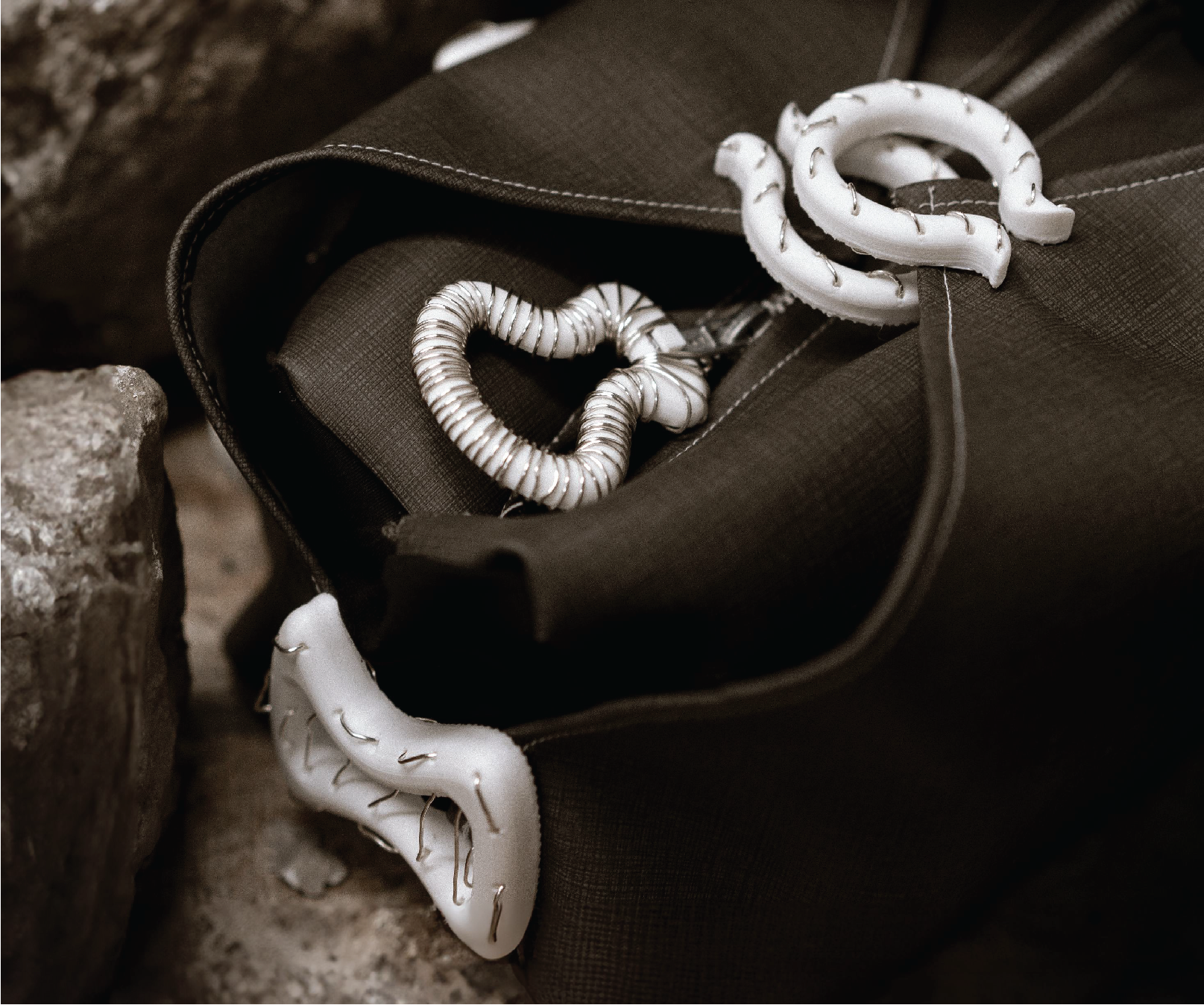
THE PURSE
where Accessibility Meets Fashion
The Purse began as a 3D-printed assistive zipper, but each stage raised new questions of application and context. Its evolution into a purse, a photo series, and eventually a magazine spread became a research-driven exploration showing that designing for accessibility ultimately means designing for everyone.
Project Contribution
01
Concept development and research
02
3D modeling and prototyping
03
Material exploration and testing
04
Physical fabrication
05
Critical reflection on accessibility and fashion
Context &
Design Challenge
Assistive objects are often visually separated from mainstream design culture, reinforcing the idea that accessibility exists outside of fashion, luxury, or desire. This project questions that separation by asking how an assistive object might be read differently when presented through the aesthetics of a luxury magazine.
The challenge was not to redesign the object itself, but to redesign the context around it, using familiar visual codes to challenge assumptions about who accessibility is for and how it should appear.
From Assistive Detail to Object
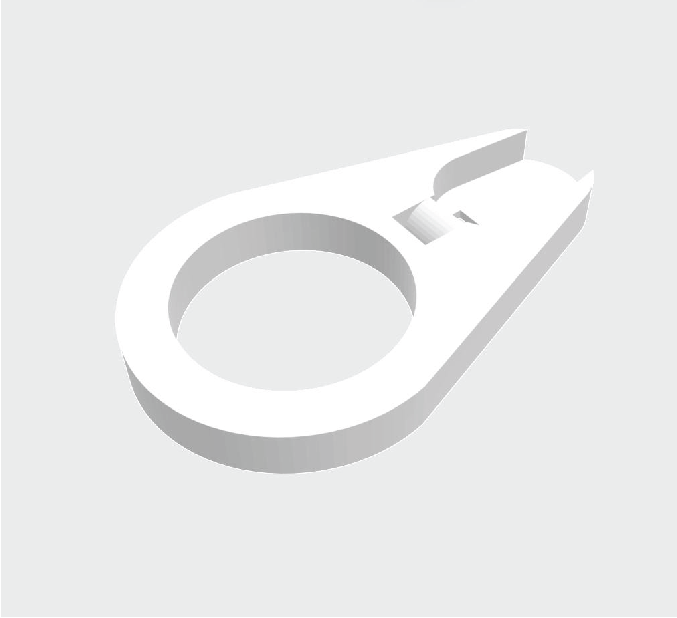
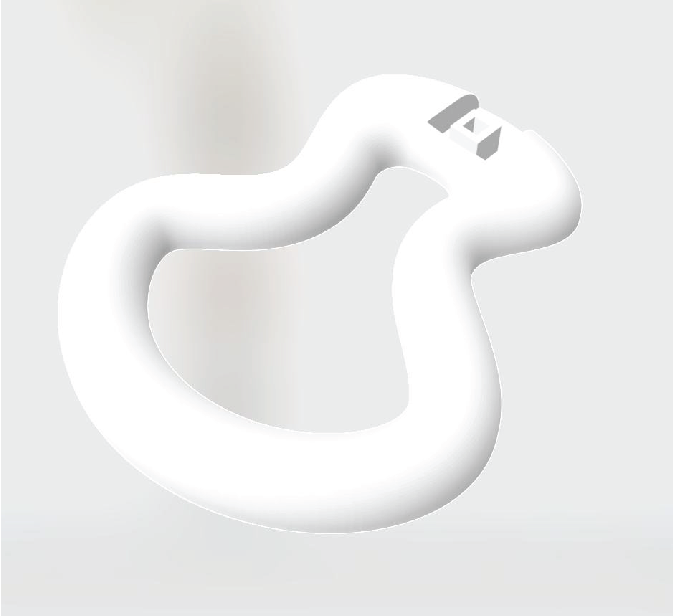
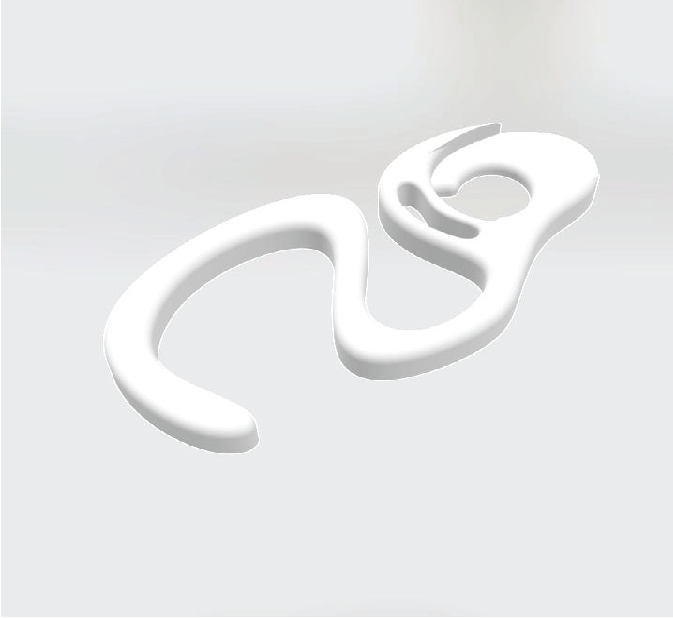
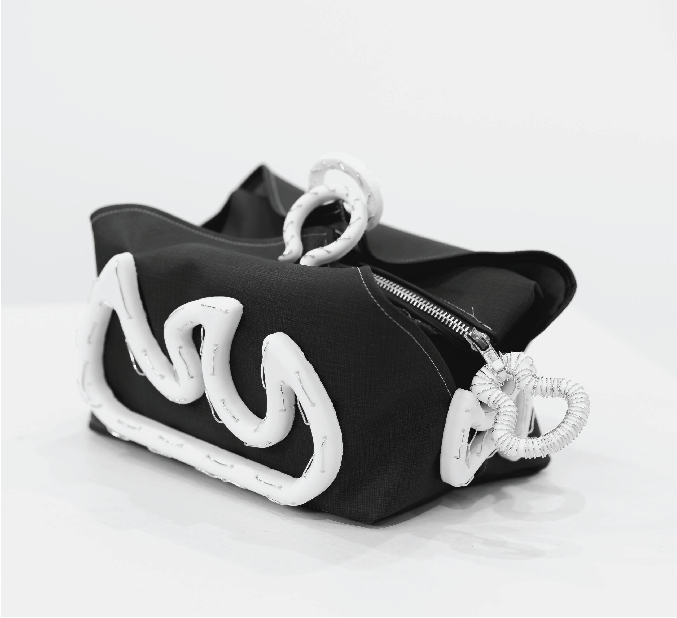
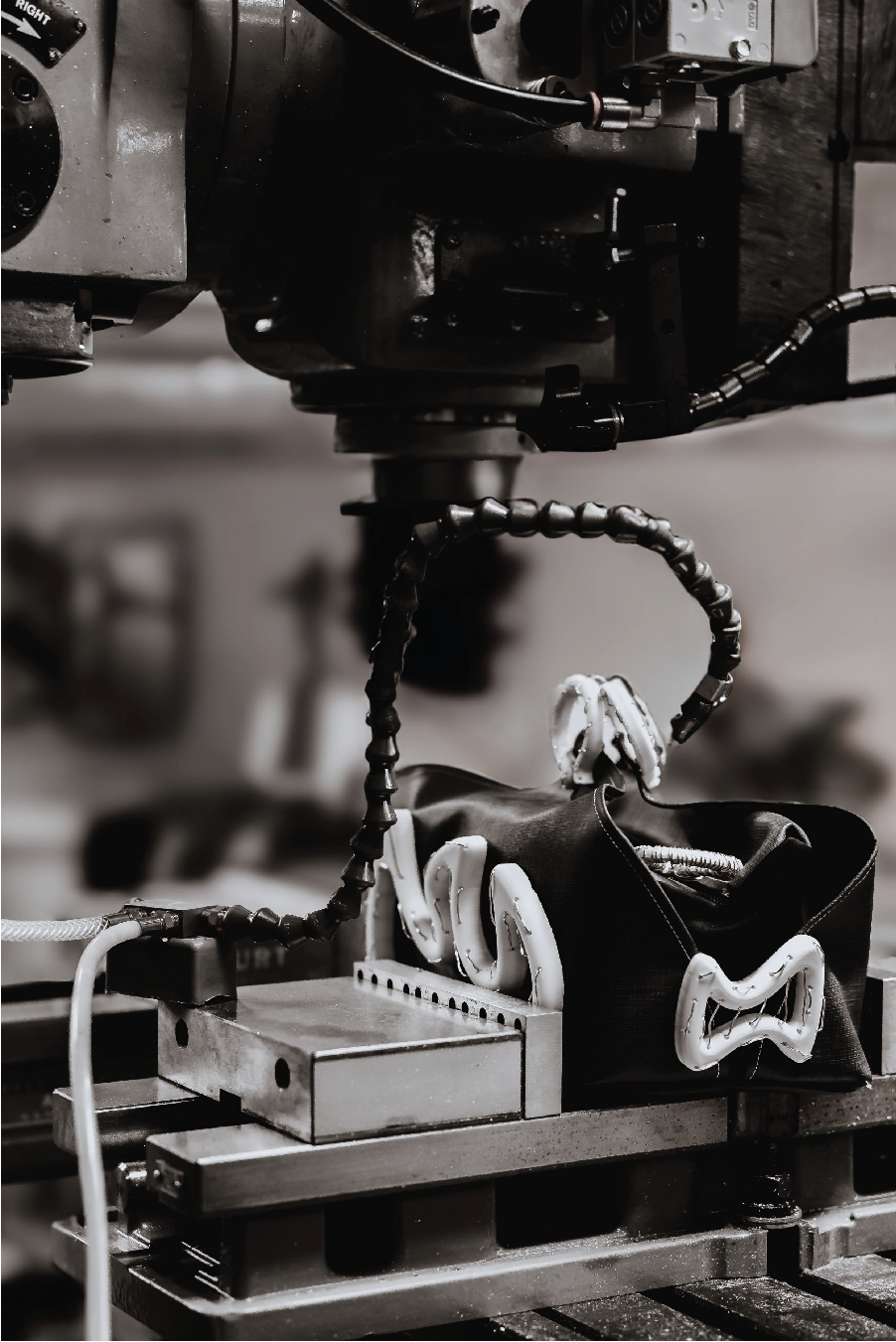
The project originated with a single assistive zipper attachment intended to improve grip and control. As the prototype evolved, questions of scale, placement, and material prompted a broader rethinking of the purse, shifting it from a container for an added tool into the focus of the project itself.
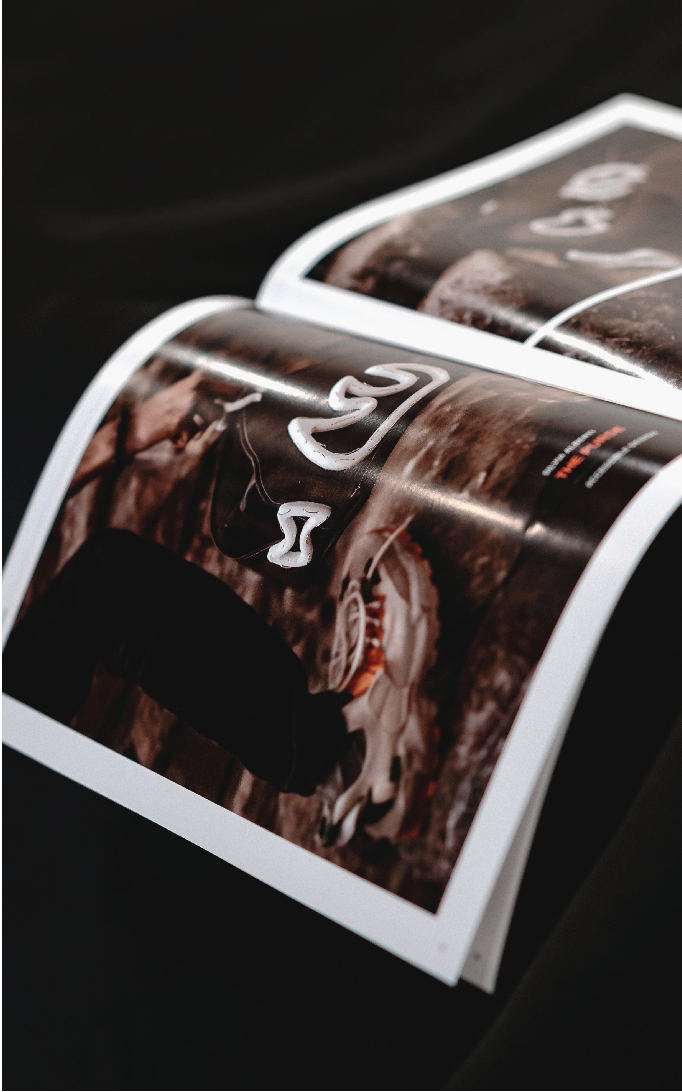
From this shift, The Purse became a reflection on how accessibility is perceived when it appears within spaces traditionally associated with luxury and fashion. Rather than functioning as a standalone assistive product, the purse was repositioned as the subject matter for an editorial magazine concept, using the visual language of high-end fashion to reframe assistive elements as desirable, intentional, and culturally relevant.
The project explores how context, styling, and narrative framing can reshape the perception of accessibility, moving it away from medicalized design and toward aspiration, identity, and choice.
Editorial Framing
& Visual Language
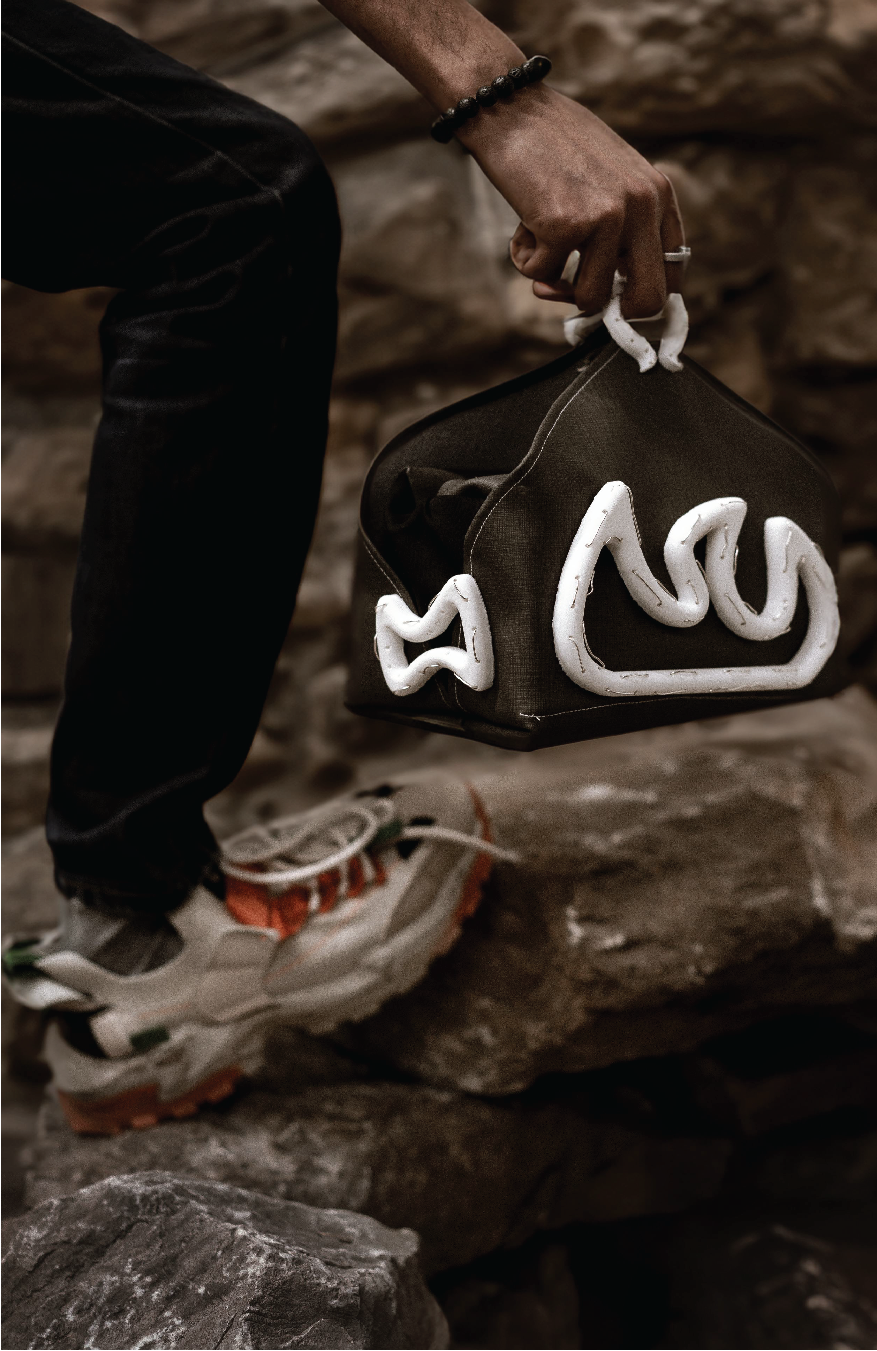
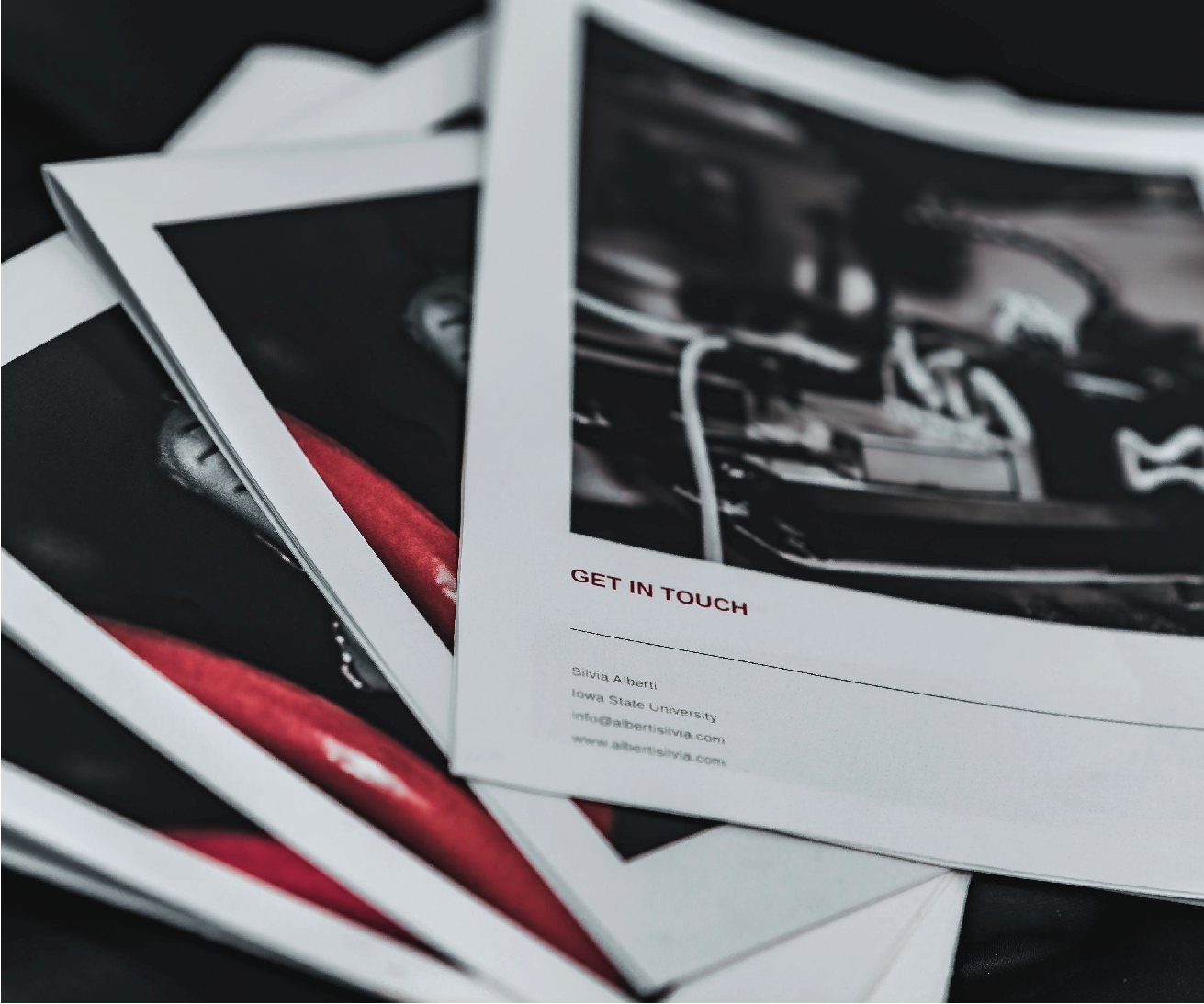
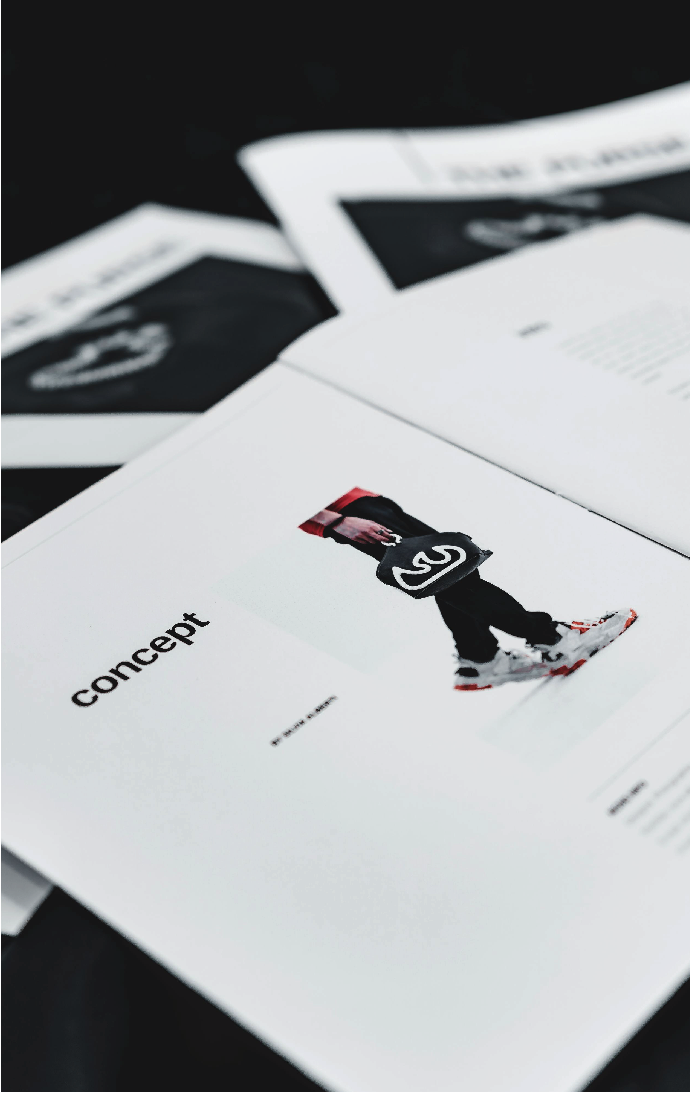
The magazine format borrows from luxury fashion publications, using controlled compositions, close-ups, and restrained typography to construct a sense of value and intention. Assistive elements are not highlighted as exceptions, but integrated seamlessly into the visual narrative.
By adopting the language of fashion media, the project invites viewers to reconsider accessibility not as a limitation, but as a design value embedded within style and cultural production.
Designing for Inclusion
Inclusion in this project is addressed through visibility and framing rather than function. By placing accessibility within a luxury editorial context, The Purse challenges the boundaries of where inclusive design is expected to exist.
The work proposes that accessibility can participate in spaces of aspiration and cultural influence, expanding how inclusive design is seen, discussed, and valued.